

 Cart is empty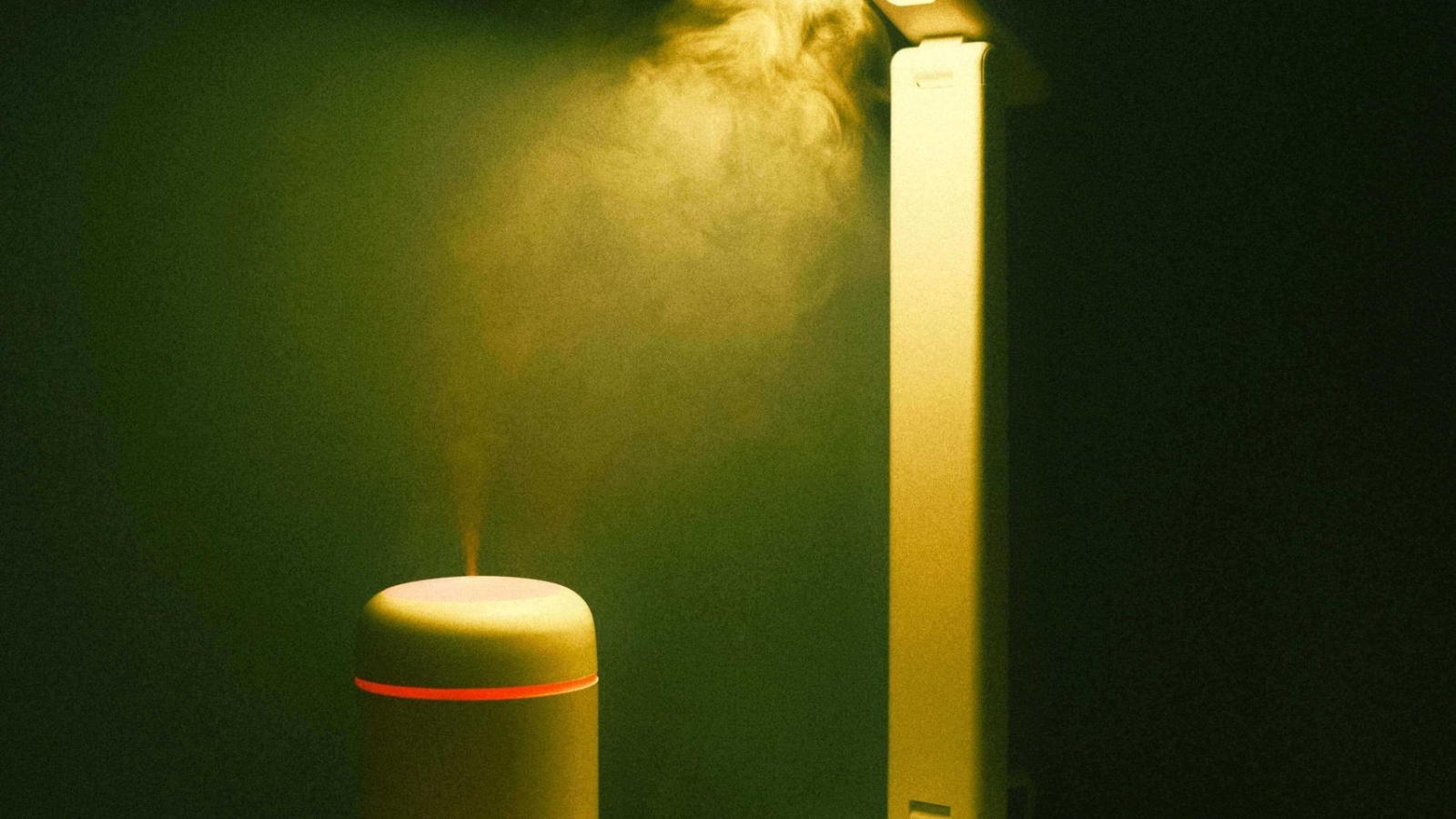
If you or your partner struggles with loud, disruptive snoring, you know it can ruin a good night’s sleep for everyone in the house. While snoring can be complex, involving factors from weight to sleep position, one surprising culprit is often overlooked: the quality of your bedroom air.
The truth is, dry air is one of the biggest environmental factors contributing to poor sleep and chronic snoring. By simply adjusting the humidity in your room, you can transform your sleep environment and pave the way for a quieter, more restorative night.
The Snoring Problem: How Dry Air Constricts Airways
Snoring occurs when air cannot move freely through your nose and throat. This causes the surrounding tissues to vibrate, creating that familiar, irritating sound.
When the air in your bedroom is too dry (typically below 30% relative humidity):
- Nasal and Throat Tissues Dry Out: The mucous membranes in your sinuses and throat need moisture to function properly. Dry air causes them to become irritated, sticky, and inflamed.
- Increased Congestion: The body compensates for dry air by producing more mucus, leading to a feeling of stuffiness and congestion that blocks nasal airflow.
- Vibration Worsens: The dried, irritated tissues in the throat vibrate more readily when breathing, amplifying the sound and severity of snoring.
This cycle of dryness and irritation forces the snorer to breathe more often through their mouth, which only exacerbates dryness and compounds the problem.
Moisture’s Role: Keeping Airways Lubricated
A bedroom humidifier breaks this cycle by consistently releasing clean, cool moisture into the air. By maintaining the optimal humidity level (the sweet spot is between 40% and 60%), you ensure your respiratory system remains hydrated and functional.
Benefits of Humidified Sleep:
- Reduces Inflammation: Hydrated nasal and throat passages are less swollen, creating more space for air to travel freely and quietly.
- Thins Mucus: Proper moisture helps keep mucus thin and flowing, naturally clearing congestion and reducing the need for mouth breathing.
- Calms the Cough Reflex: Dry air is often a trigger for a persistent, irritating cough that can interrupt sleep. Humidified air soothes the irritation, allowing for uninterrupted rest.
Choosing Your Sleep Solution
To effectively combat snoring, a quiet, effective humidifier is essential:
- Cool Mist is Key: Look for ultrasonic or evaporative cool mist humidifiers. They are typically whisper-quiet, ensuring the device itself doesn’t become the new source of noise.
- Place it Near the Bed: Position the unit 3 to 6 feet away from the bed. This ensures you benefit from the highest concentration of moisture while you sleep.
- Monitor Humidity: Invest in a simple digital hygrometer to ensure your room stays within that therapeutic 40–60% range. Too much humidity (over 60%) can encourage mold growth, so precision is important.
By integrating a humidifier into your nightly routine, you are taking a powerful step toward not just better sleep for the snorer but harmonious rest for the entire household.


Leave A Comment