

 Cart is empty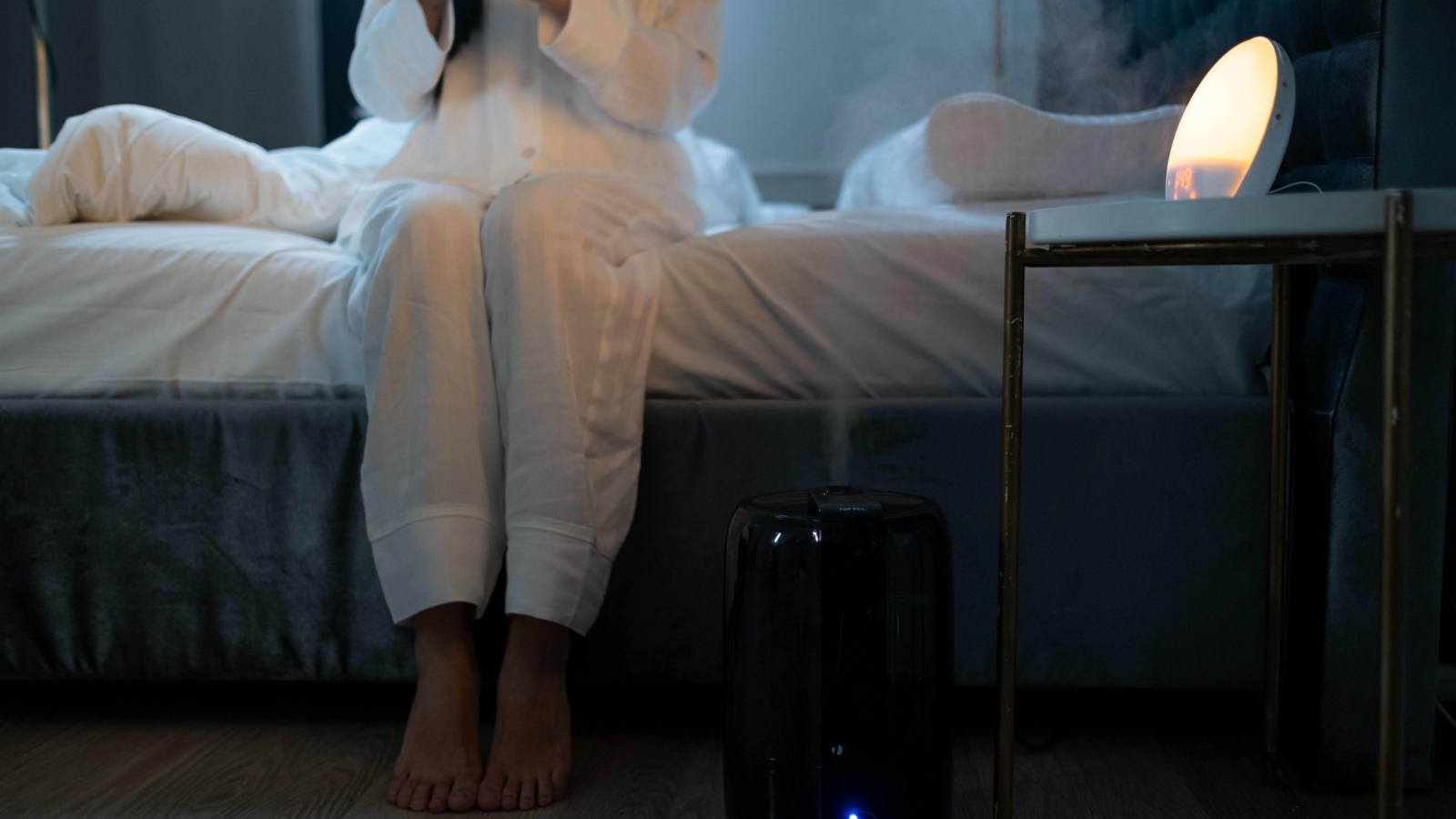
You bought a humidifier, but you still wake up with a dry throat. Why? Often, the problem isn’t the quality of the unit, but the size. A small “personal” humidifier trying to humidify a large open-concept living room is fighting a losing battle. To truly enjoy balanced air and optimal health, you need to match your unit’s output capacity to the size of your space.
Choosing the right size is the single most important factor for achieving and maintaining that ideal 40% to 60% indoor humidity level.
Understanding Humidifier Capacity
Humidifiers are categorized by the area they are designed to cover and their output, which is measured in Gallons Per Day (GPD).
| Category | Coverage Area | Typical GPD Output | Best Use Case |
| Personal | Up to 100 sq. ft. | < 1 GPD | Small office desk, travel, beside a baby’s crib for close range. |
| Small Room | 100 – 300 sq. ft. | 1 – 2 GPD | Standard bedroom, small office, closed-off den. |
| Medium Room | 300 – 500 sq. ft. | 2 – 4 GPD | Master bedroom, large bedroom, small apartment living room. |
| Large Room | 500 – 1000 sq. ft. | 4 – 8 GPD | Open-concept spaces, large living rooms, combined dining/kitchen areas. |
| Whole-House | Up to 3,000 sq. ft. | 8+ GPD | Units connected directly to your HVAC system (often installed by a technician). |
The Square Footage Factor: Calculating Your Needs
To ensure effectiveness, you must accurately measure the space where the humidifier will run.
- For a Single Room: Measure the length and width of the room and multiply them to get the square footage (e.g., 12 ft $\times$ 15 ft = 180 sq. ft.). This means you need at least a Small Room model.
- For Open Concepts: Estimate the entire connected living area and use the Large Room category. Always err on the side of getting a slightly larger unit than you think you need, especially in very dry climates.
Pro Tip: In older, draftier homes, you may need a unit with a higher GPD output than the square footage suggests, as dry air is constantly leaking in from outside.
The Multi-Unit Strategy
For large or multi-story homes, relying on a single large-room unit in a central location is often inefficient. Humidity struggles to travel between rooms, around corners, and up stairs.
The most effective strategy for multi-level homes is running multiple units:
- Bedroom Priority: Place a dedicated Small to Medium Room unit in every bedroom where family members sleep. This ensures the best health benefits (sleep, skin, sinuses) are received during the 7-9 hours of nightly rest.
- Central Area: Use a Large Room unit in the main living space (like the kitchen or living room) where the family spends time during the day.
This decentralized approach ensures consistent humidity where it matters most, without the expense and installation headache of a whole-house HVAC system.
The Role of the Hygrometer
No matter how you size your unit, always verify its performance with an external device: the hygrometer.
- This small, inexpensive tool tells you the precise relative humidity (RH) percentage in your room.
- Place the hygrometer across the room from your humidifier. If the RH reading is consistently below 40%, your unit is too small, or it’s not running often enough. If it’s above 60%, your unit is too powerful, and you risk mold growth.
By sizing your unit correctly and monitoring your air, you transition from simply running a humidifier to actively managing your indoor climate for optimum comfort and health.


Leave A Comment