

 Cart is empty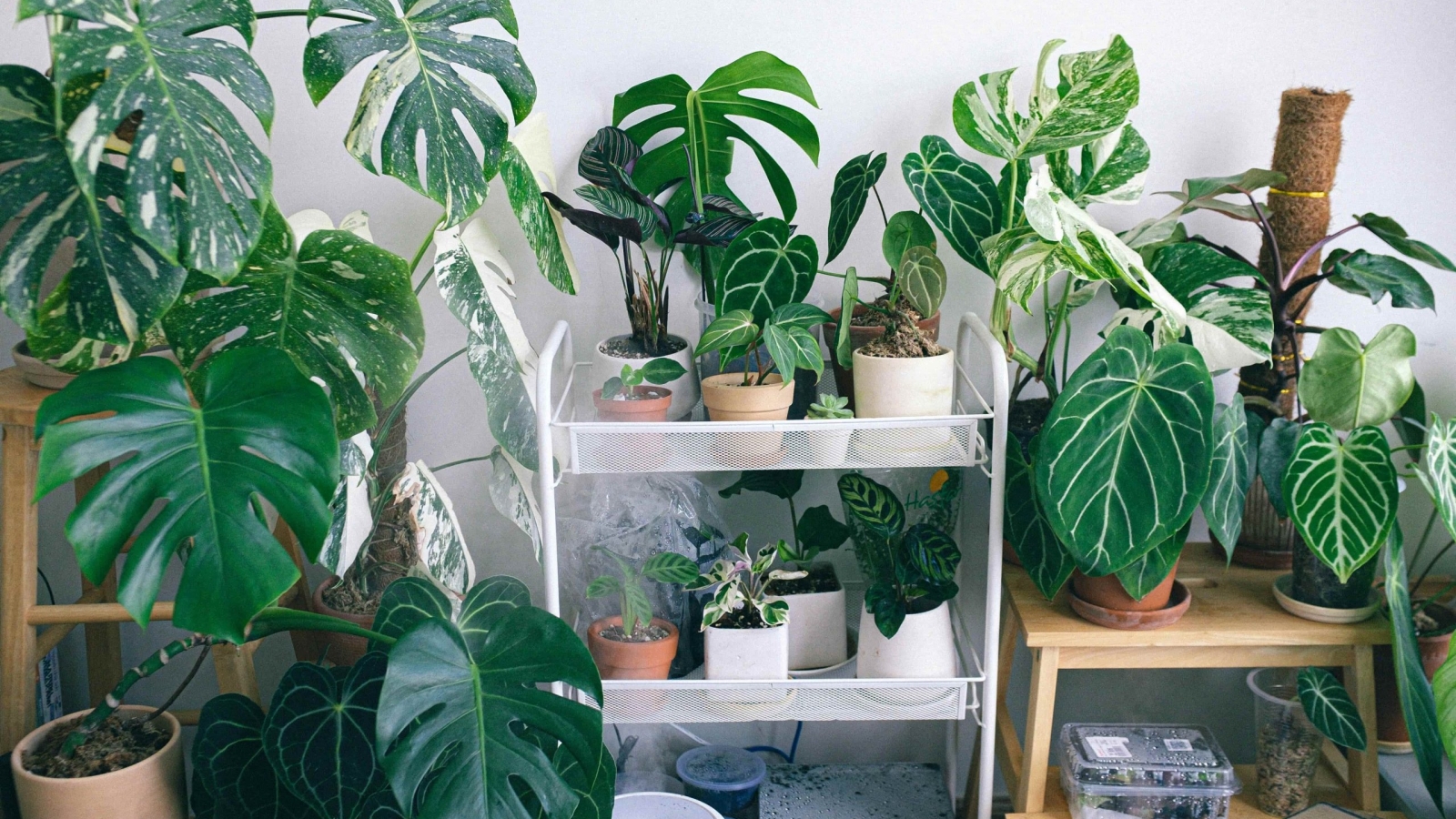
The trend of turning homes into lush indoor jungles has never been bigger. However, many plant lovers quickly realize that their tropical favorites—ferns, monsteras, calatheas, and orchids—start to struggle, developing crispy, brown edges and failing to thrive. The culprit? The same enemy of your skin and sinuses: dry indoor air.
Most popular houseplants originate from the humid understories of tropical rainforests. To replicate their natural environment and keep them thriving indoors, a humidifier is not a luxury—it’s a necessity.
The Environmental Mismatch
In their native habitats, tropical plants enjoy humidity levels often exceeding 70% to 80%. Conversely, heated homes in winter frequently dip below 30% humidity.
This drastic environmental mismatch leads to two main problems for your plants:
- Brown and Crispy Edges: This is the telltale sign of low humidity. The plant is losing water through its leaves (a process called transpiration) faster than its roots can supply it. The edges, being the farthest points, dry out and turn brown.
- Pest Attraction: Plants stressed by dry air are more susceptible to common household pests, especially spider mites, which thrive in low-humidity conditions.
Three Ways to Integrate a Humidifier for Plant Health
A cool mist humidifier offers the most effective, consistent, and low-effort way to boost plant health.
1. The Plant Cluster Strategy
Plants naturally release moisture vapor into the air. When you group several humidity-loving plants together, they create a small microclimate that is slightly more humid than the surrounding room.
- How To: Place a medium-sized cool mist humidifier directly within your largest plant grouping. Position the unit so that the mist is directed near the plants, but not directly onto the leaves. The mist should evaporate into the air before hitting the foliage to prevent dampness that can encourage fungal growth.
2. Consistent Moisture Levels
For optimal tropical plant health, aim to maintain the room’s humidity between 50% and 60%.
- Why It Works: This range is high enough to significantly reduce brown leaf tips and deter spider mites, but low enough to prevent issues like condensation and mold growth on walls or windows.
- Best Unit: Ultrasonic cool mist humidifiers are often preferred here as they are quiet and reliable for continuous daytime operation in a living area.
3. Support for High-Value Plants
If you have specific, high-value plants (like finicky Calatheas, Orchids, or Fiddle Leaf Figs) that require dedicated humidity, a small personal humidifier can be used.
- Targeted Treatment: Place the small unit directly next to the plant or within a glass cabinet (terrarium style) to create a highly localized pocket of moisture.
A Final Word on Watering
Remember that a humidifier does not replace watering! You still need to water your plants when the soil is dry. The humidifier only addresses the air moisture. By providing both well-draining soil and humid air, you give your indoor jungle the best chance to flourish.
When your plants are healthy and lush, they not only look better but also contribute to a better-feeling home environment for you—a true win-win for green thumb and respiratory health alike!


Leave A Comment