pexels-donghuangmingde-2313002 (1)

Essential Cleaning Guide: How to Prevent Mold and Bacteria in Your Humidifier

A humidifier is your best friend when it comes to soothing dry sinuses and skin. However, any device that combines water, air, and warmth creates a potential breeding ground for unwelcome guests: mold, mildew, and bacteria. If these contaminants are aerosolized and released into your air, your healthy hydration device can quickly become an illness vector.

Proper cleaning is not optional—it is essential for your health. Follow this comprehensive protocol to keep your humidifier running clean, efficient, and safe.

The Risk: Why Cleaning is Critical

The dark, damp interior of a humidifier tank, especially with standing water, is the perfect environment for organisms to multiply. If you see pink, black, or slimy residue, that is biofilm, mold, or bacteria.

When your unit turns on, it launches these contaminants directly into your breathing space. This can lead to:

  • “Humidifier Lung”: A rare form of pneumonia or flu-like symptoms caused by inhaling contaminated water particles.
  • Respiratory Irritation: Exacerbating allergies, asthma, and sinus issues.
  • System Failure: Mineral buildup and grime can clog and damage the ultrasonic plate or the heating element.

Step-by-Step Cleaning Protocol

This protocol is effective for all types of humidifiers (ultrasonic, evaporative, and warm mist).

1. Daily Maintenance (The 30-Second Rule)

  • Empty and Rinse: At the end of each day (or before refilling), empty any remaining water from the reservoir and base. Never let water sit in the tank when the unit is turned off for more than 24 hours.
  • Wipe Down: Quickly wipe the interior surfaces of the tank and base with a clean, dry towel.
  • Use Fresh Water: Always refill the tank with fresh, clean water for each use.

2. Weekly Deep Clean (Sanitizing)

You will need White Vinegar (the safest, most effective cleaner) and a small brush or scrub pad.

  1. Empty and Disassemble: Unplug the unit, empty the water, and take apart all removable components (tank, base, caps).
  2. The Vinegar Soak (Descaling): Pour 1–2 cups of undiluted white vinegar into the water reservoir. Slosh it around to coat the interior. For the base, pour vinegar into the water basin, making sure to cover the heating element or ultrasonic plate.
  3. Soak Time: Let the vinegar sit for at least 20–30 minutes. This acidic solution will dissolve mineral buildup (scale) and kill mold/bacteria.
  4. Scrub and Rinse: Use a small bottle brush or a sponge to scrub the inside of the tank and base. Pay special attention to corners and crevices.
  5. Thorough Rinsing: This is the most important step! Rinse every piece multiple times under fresh tap water until the smell of vinegar is completely gone. Residual vinegar can irritate your respiratory system.

3. Monthly Disinfection (Optional but Recommended)

For extra security, or if you suspect mold growth, you can use a mild bleach solution:

  • Mix Solution: Create a solution of 1 teaspoon of bleach per gallon of water.
  • Sanitize: Fill the tank and base with this solution and let it sit for 30 minutes.
  • Rinse Extensively: After soaking, rinse all parts at least 4–5 times with clean water. Air dry thoroughly before reassembling.

By making this simple cleaning schedule part of your routine, you ensure your humidifier remains a source of clean, comfortable, and healthy moisture for years to come.
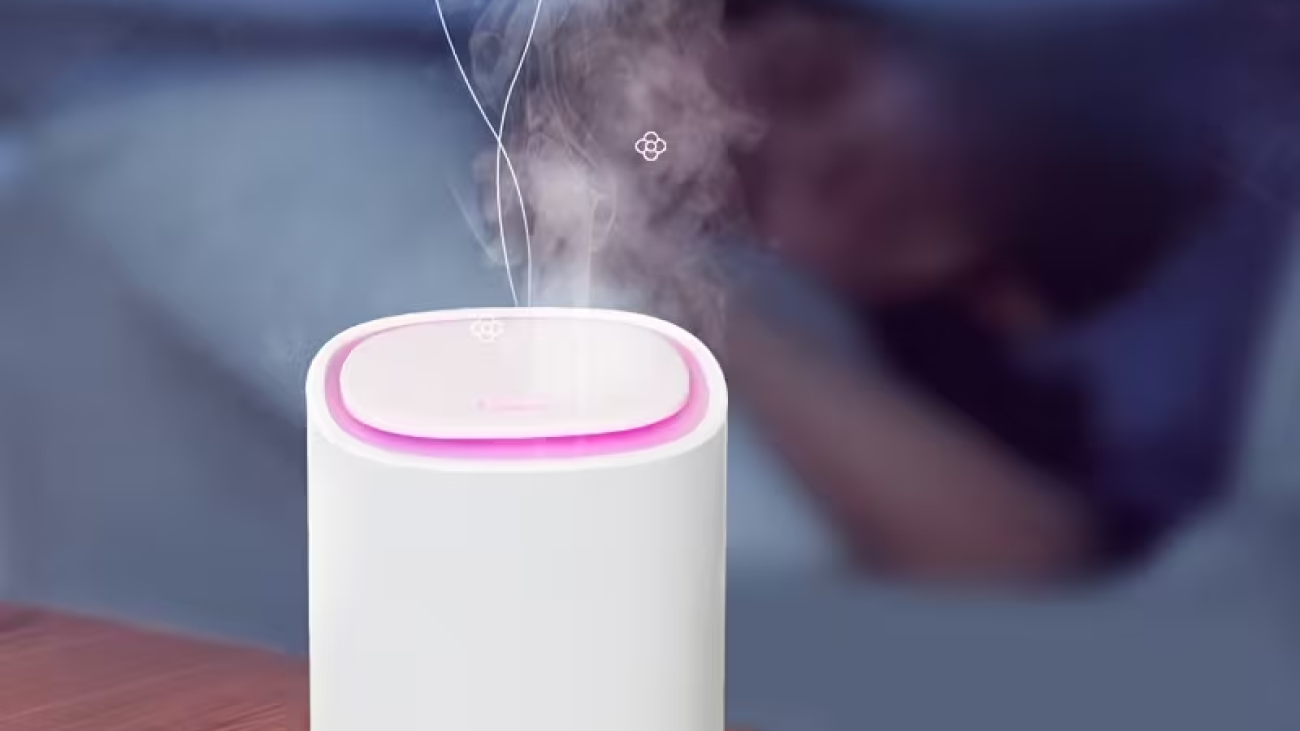
productimg5vapo6

Beyond Water: Safe Aromatherapy Uses for Your Vaporizer and Diffuser

Essential oils offer a wonderful way to enhance your environment, turning your bedroom into a relaxing spa or your office into an energizing zone. Many people want to combine the benefits of hydrated air with the therapeutic power of aromatherapy. However, the use of essential oils with humidifiers and vaporizers requires caution and knowledge.

The key to safe aromatherapy is knowing the difference between a traditional humidifier, a vaporizer, and a dedicated essential oil diffuser. Mixing them up can lead to damaged equipment and respiratory irritation.

Vaporizer vs. Humidifier vs. Diffuser: Know the Difference

Device TypeMechanismEssential Oil Safety
Traditional HumidifierDisperses fine, cool water mist (ultrasonic or evaporative).NEVER put oil in the tank. Oils can damage plastic and internal components (like the ultrasonic plate).
Warm Mist VaporizerBoils water to create steam.NEVER put oil in the tank. Oils can leave residue on the heating element, leading to corrosion and system failure.
Humidifier with TrayA traditional humidifier with a separate, external pad or tray.SAFE. Add oil only to the designated tray or pad, keeping it isolated from the water tank and motor.
Essential Oil DiffuserSpecifically designed to break down and disperse pure oil without water, or in a tiny water mixture.SAFE. Designed for oil use.

The Golden Rule: Never Mix Oils and Water Tanks

Unless your unit specifically advertises a dedicated aromatherapy tray or essential oil compartment, do not place essential oils directly into the water reservoir.

Oil floating on the water in your tank can:

  • Corrode Plastic: Oils are highly concentrated and can degrade the plastic used in the tanks, leading to cracks and leaks.
  • Ruin Mechanics: The residue will clog the fine ultrasonic plate or the wicking filter, leading to costly unit failure and voiding your warranty.

Safe Ways to Enjoy Aromatherapy and Hydrated Air

If you want the dual benefit of humidity and scent, follow these safe methods:

1. Use the Dedicated Oil Tray

The safest solution is purchasing a humidifier that features a small, removable slot or pad located away from the water tank.

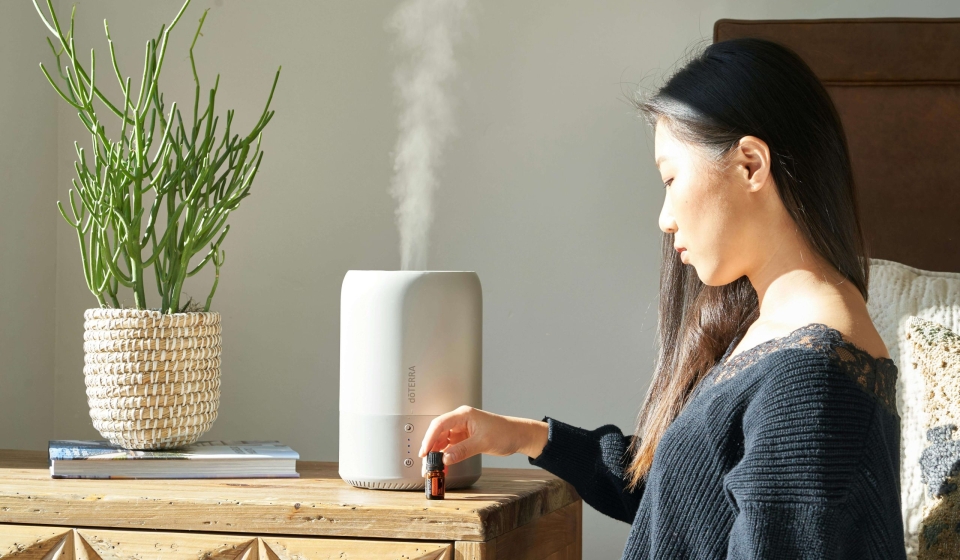
  • How To: Place a few drops of pure essential oil onto the pad, insert the tray, and the unit’s airflow will naturally carry the scent into the room along with the mist.

2. Diffuse Separately

If you love your current humidifier but it lacks an oil tray, run a dedicated essential oil diffuser in the same room.

  • How To: Place the humidifier and the diffuser on opposite sides of the room. The humidifier adds moisture, and the diffuser provides scent, with zero risk of damage or cross-contamination.

3. Safe Oil Choices for Wellness

Once you have the right hardware, choose oils that enhance the humidified air:

GoalRecommended Essential Oils
Congestion & SinusesEucalyptus, Peppermint, Tea Tree (great for cold season).
Relaxation & SleepLavender, Chamomile, Bergamot (ideal for bedroom use).
Energy & FocusLemon, Wild Orange, Rosemary (perfect for the office).

A Word of Caution: While oils are natural, they are potent. Avoid placing strong essential oils directly under the noses of infants or pets, as their respiratory systems are highly sensitive.

By respecting the mechanics of your device, you can safely enjoy the luxurious and therapeutic combination of clean, hydrated air and beautiful essential oils.